
Blog
Gold Plated vs Artificial Jewellery: Which Is Better in Pakistan? (2026 Guide)

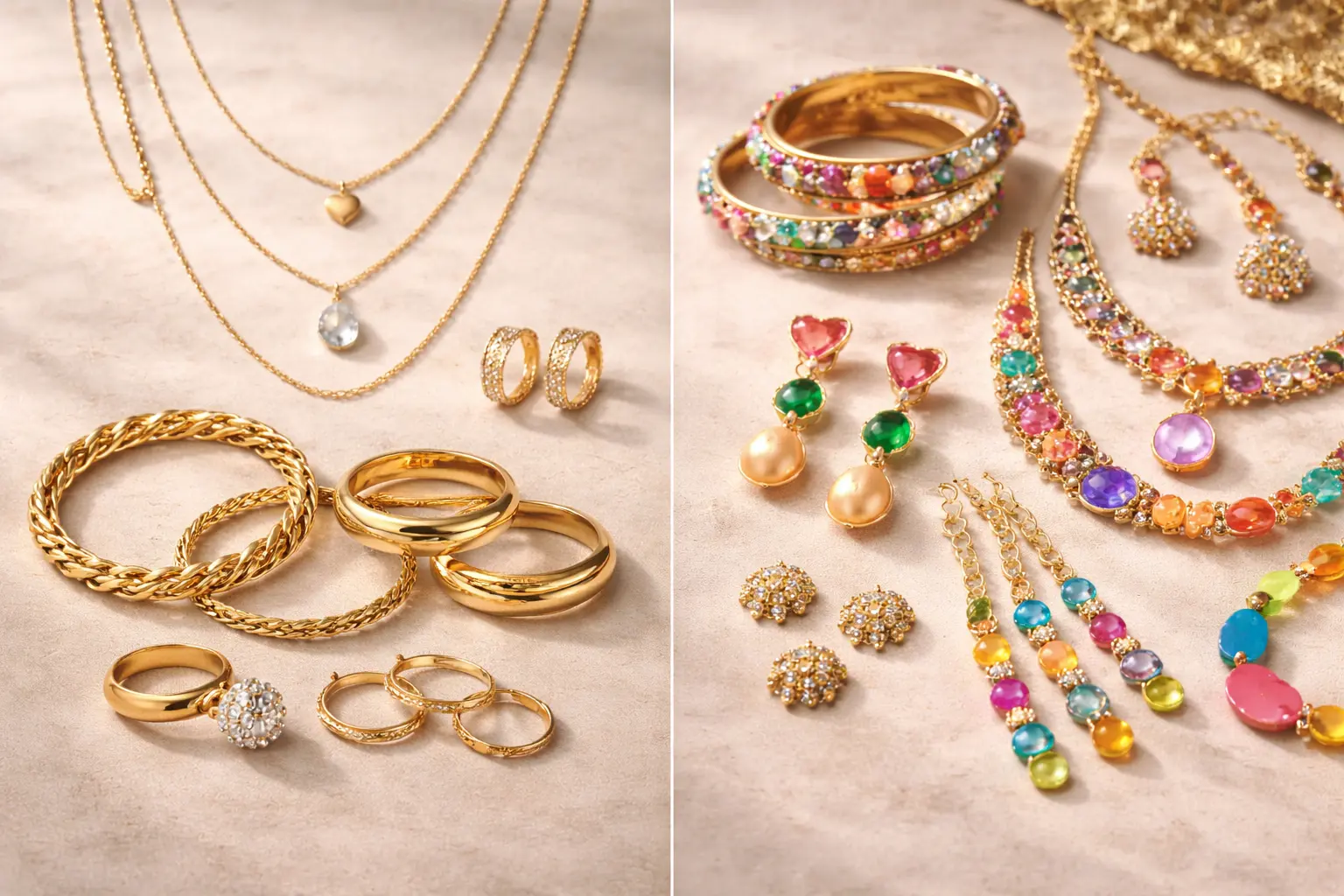
Buying jewelry in Pakistan often comes down to a simple question, what looks premium, lasts longer and fits the budget without regret. In 2026, buyers are more aware of plating quality, skin reactions, resale limits and how fast pieces lose shine in heat and humidity.
This guide breaks down gold plated vs artificial jewellery in practical terms, focusing on wear, care, cost and how to choose based on your lifestyle. The goal is to help you buy confidently, whether you want daily wear, occasional glam, or a gifting piece.

What Gold Plated Jewellery Means?
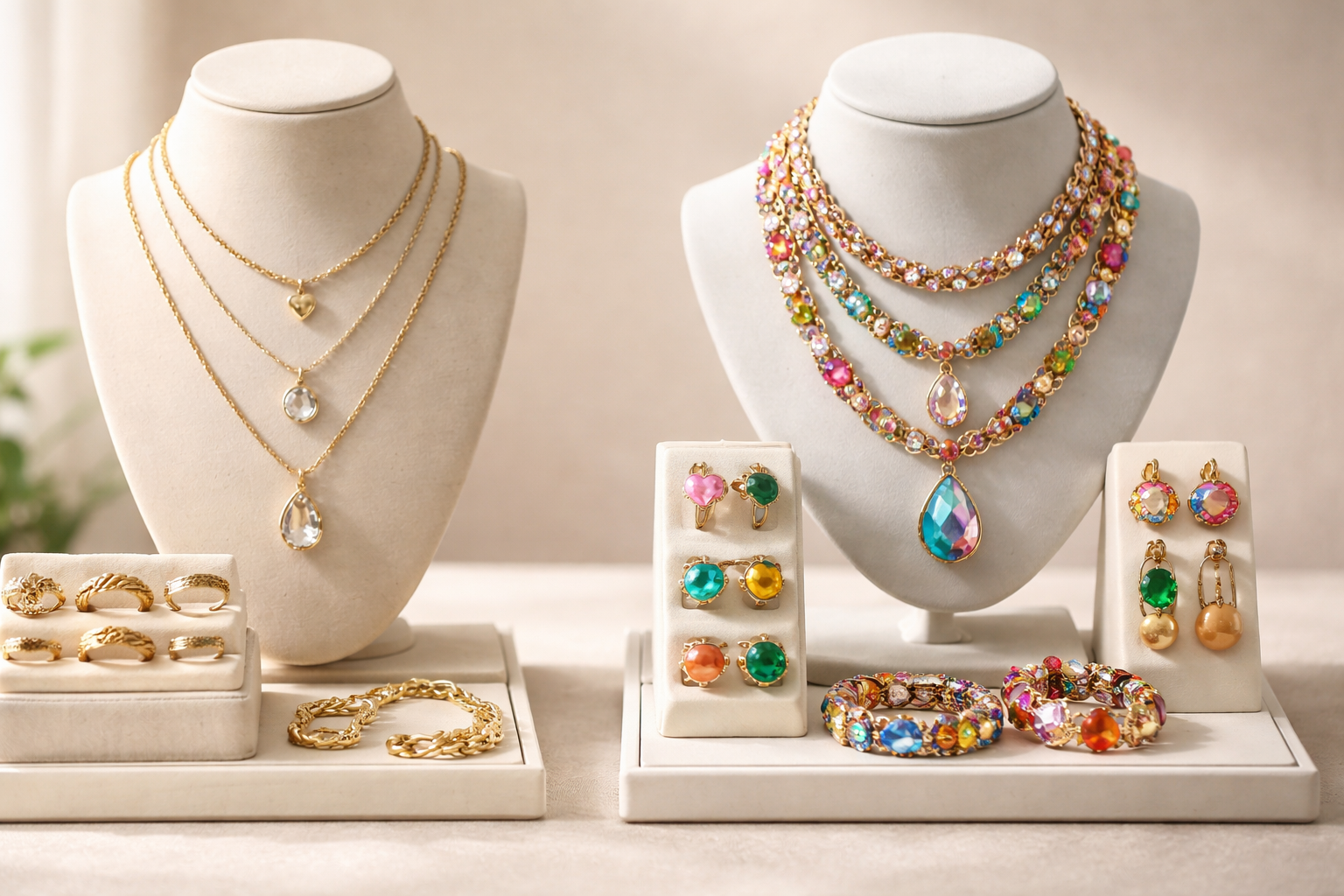
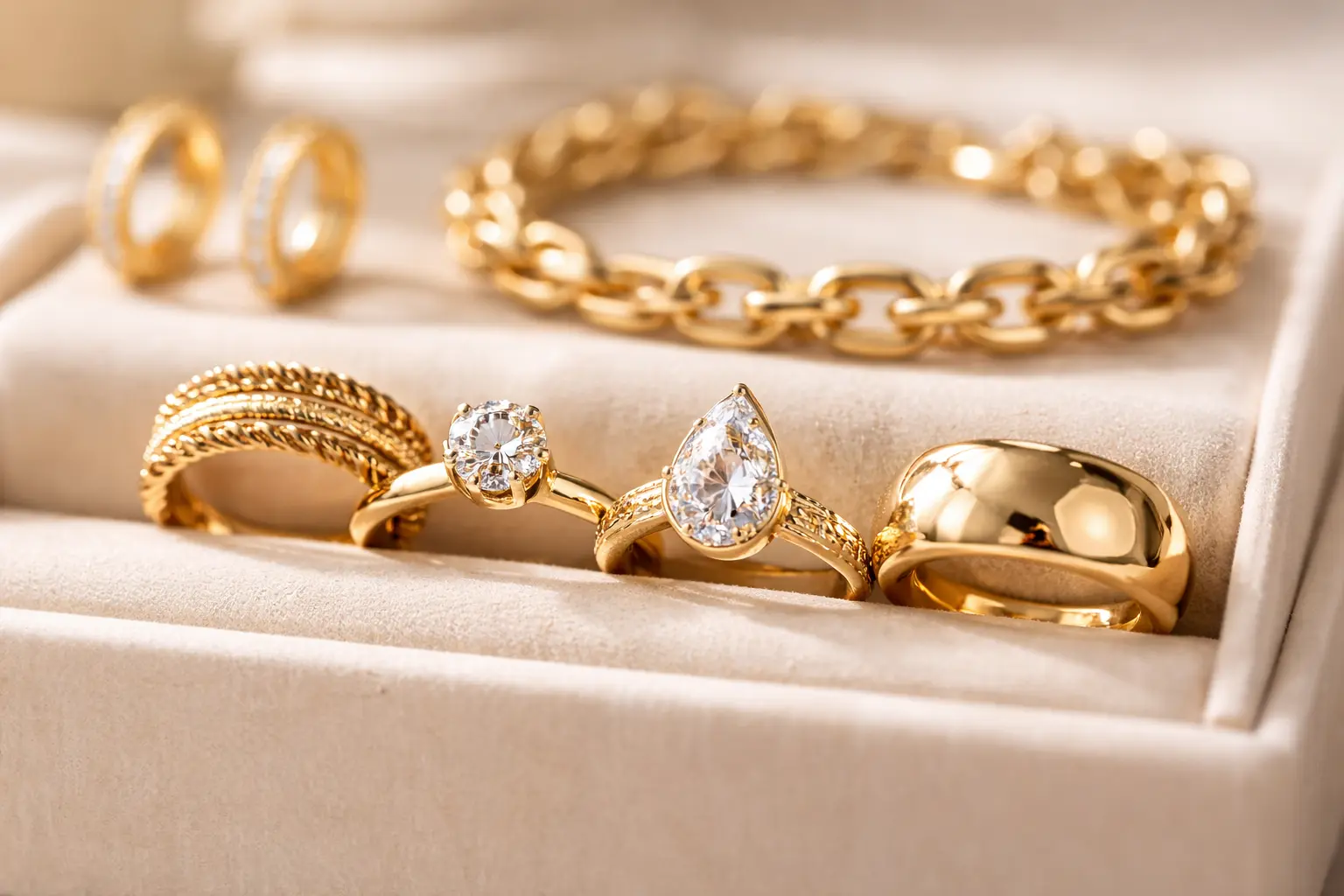
Gold plated jewellery is a base metal coated with a thin layer of gold using electroplating. The base is commonly brass, copper, stainless steel, or sometimes silver, depending on the seller and price point.
Plating thickness and process quality decide how long the gold tone stays intact. Better gold plating usually includes a protective top coat to reduce tarnish and slow down wear from friction.
What Artificial Jewellery Means In Pakistan?
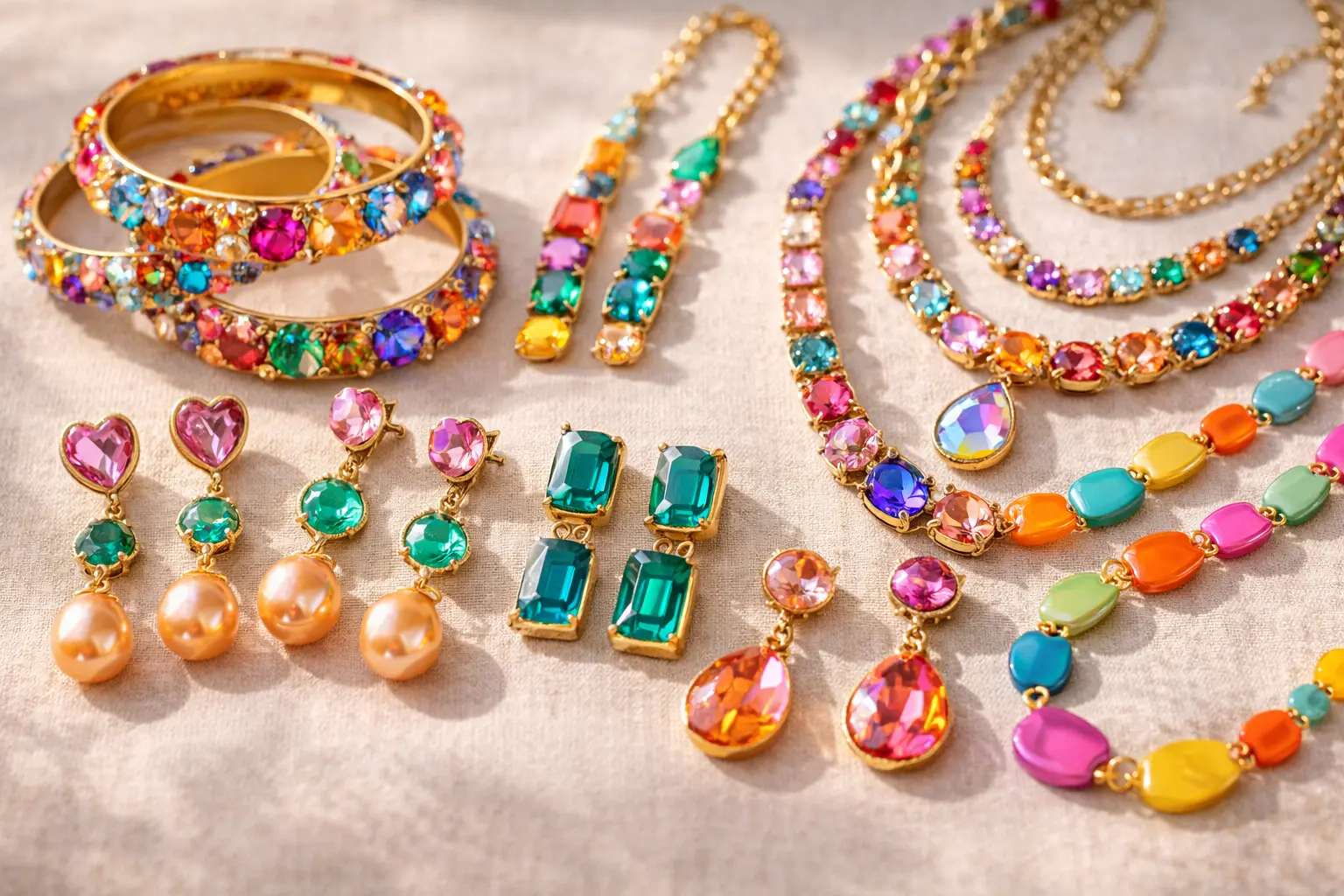
Artificial jewellery in Pakistan is a broad market term for non-gold jewelry made from mixed metals, alloys, resin, acrylic, stones, or glass, usually with a polished, plated, or painted finish. It includes everything from simple daily studs to heavy bridal sets built for one-time wear.
Because the category is wide, quality varies more than most buyers expect. Some artificial pieces are sturdy and skin-friendly, while others discolor quickly and can stain skin during humid weather.
Key Differences That Matter When Buying
The best choice depends on your wear frequency, skin sensitivity and expectations for long-term shine. It also depends on how carefully you store jewelry, since moisture and air exposure speed up oxidation.
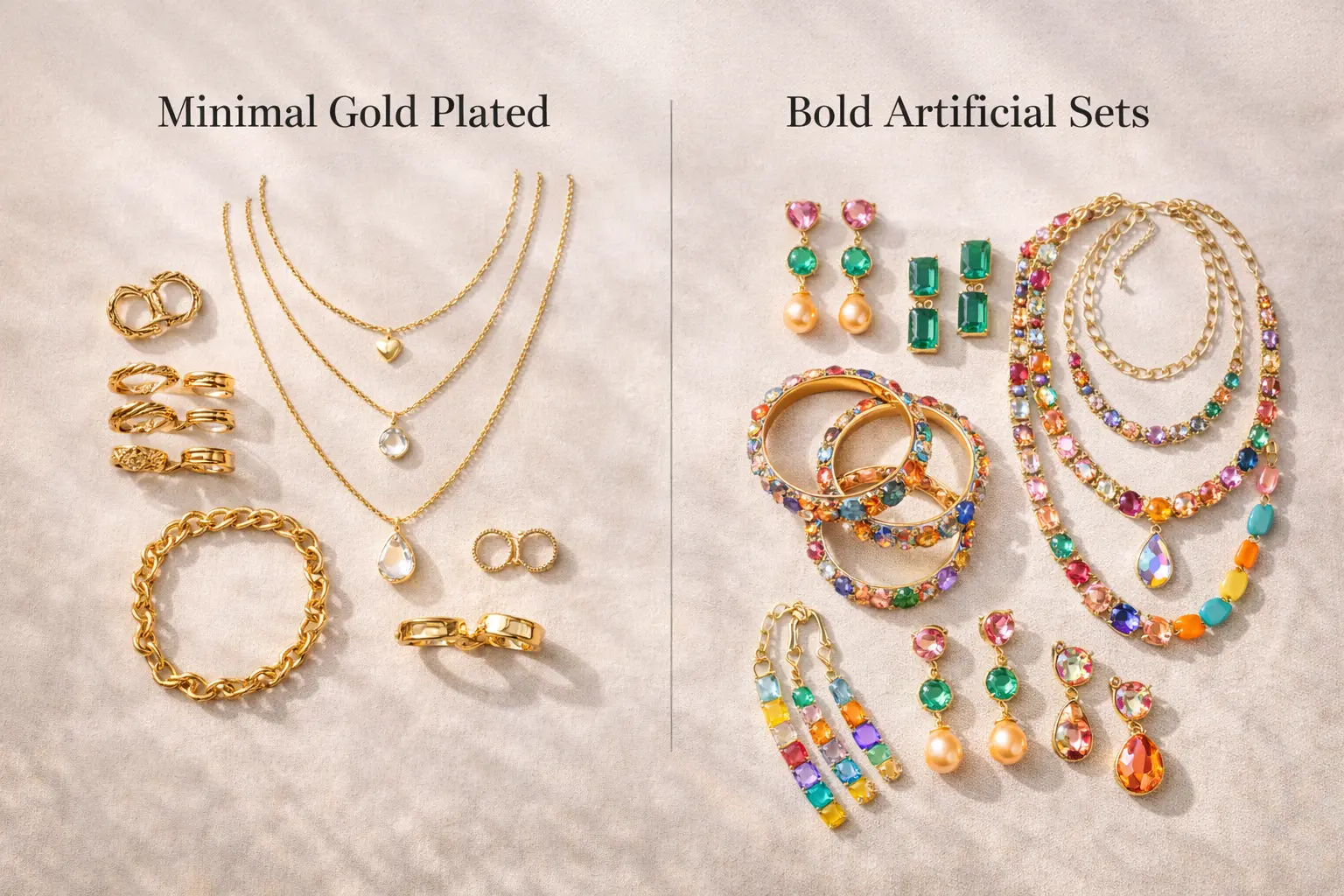
Gold plated pieces typically deliver a more gold-like finish than most artificial options. Artificial jewellery, however, often wins on price, variety and bold designs that would be expensive in plated or precious metals.
| Buying Factor | Gold Plated Jewellery | Artificial Jewellery |
|---|---|---|
| Look And Finish | Closer to real gold when plating quality is good | Ranges from premium polish to costume-like shine |
| Durability | Better for occasional to moderate wear, depends on thickness | Can be fragile or sturdy, depends on build and coating |
| Skin Comfort | Often safer when nickel-free base is used | Higher risk of irritation with cheap alloys or perfumes |
| Long-Term Value | Low resale, value is mostly aesthetic and use | Usually no resale, value is fashion and convenience |
Use the table as a quick filter before you look at designs. Once you know what matters most, it becomes easier to compare pieces within your budget.
Price And Value For Money In Pakistan
Gold plated jewellery is usually priced higher than regular artificial jewellery because plating adds cost and the finish often looks more refined. In local markets, pricing also reflects brand perception, packaging and workmanship, not just materials.
Artificial jewellery stays the cheapest route to variety, especially for trendy sets and statement pieces. Value for money improves when you choose solid clasps, smoother edges and consistent coating rather than ultra-cheap alloys.
Durability In Heat, Humidity And Daily Wear
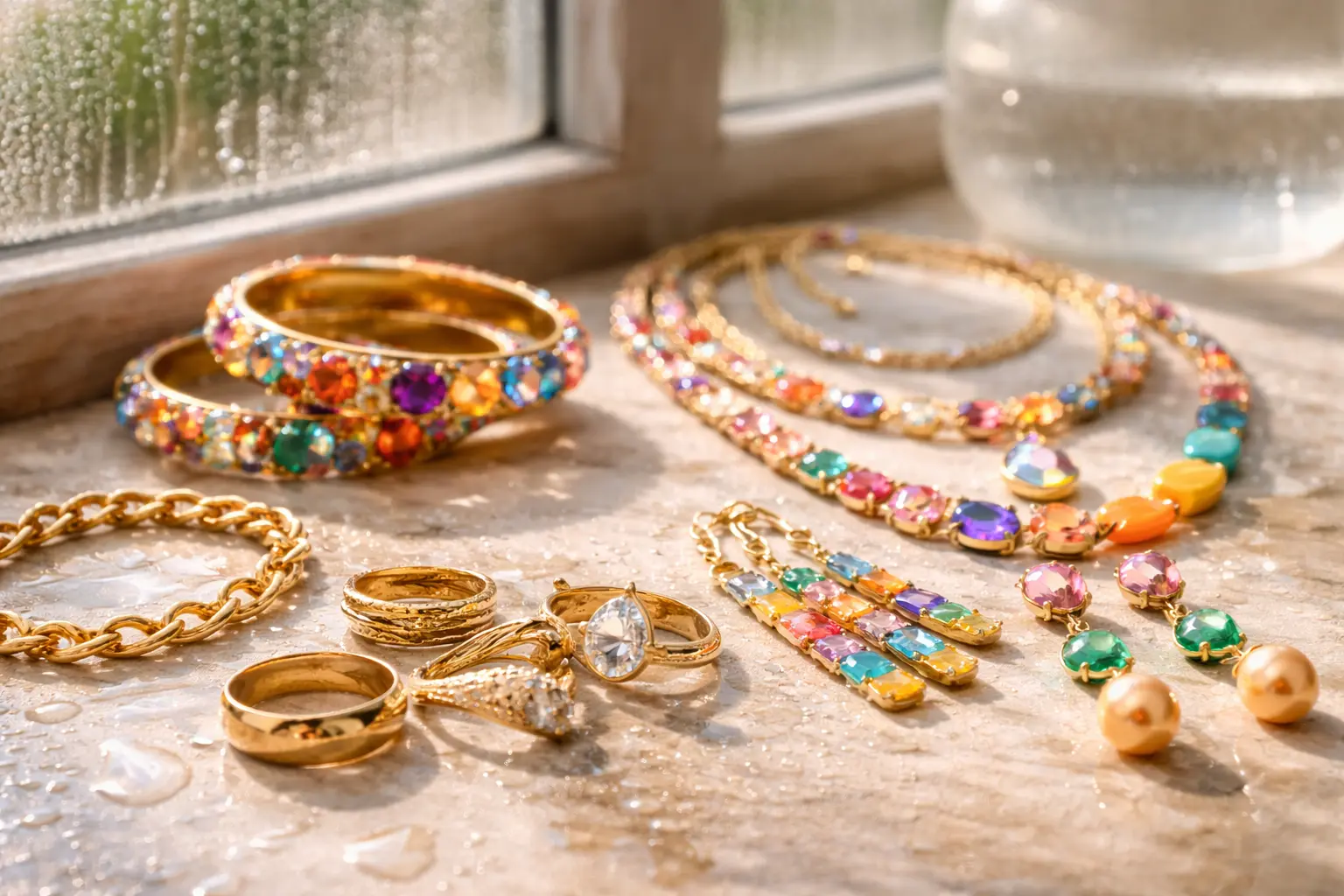
Pakistan’s climate can be tough on fashion jewelry, especially in coastal and humid regions where oxidation accelerates. Sweat, heat and dust also create friction that eats away plating and surface coatings.
Gold plated jewellery can hold up well if the plating is thick and the base metal is stable, such as stainless steel. Artificial jewellery durability depends on the type, acrylic and resin styles may avoid tarnish, while low-grade metal alloys can darken quickly.
Skin Sensitivity And Allergies
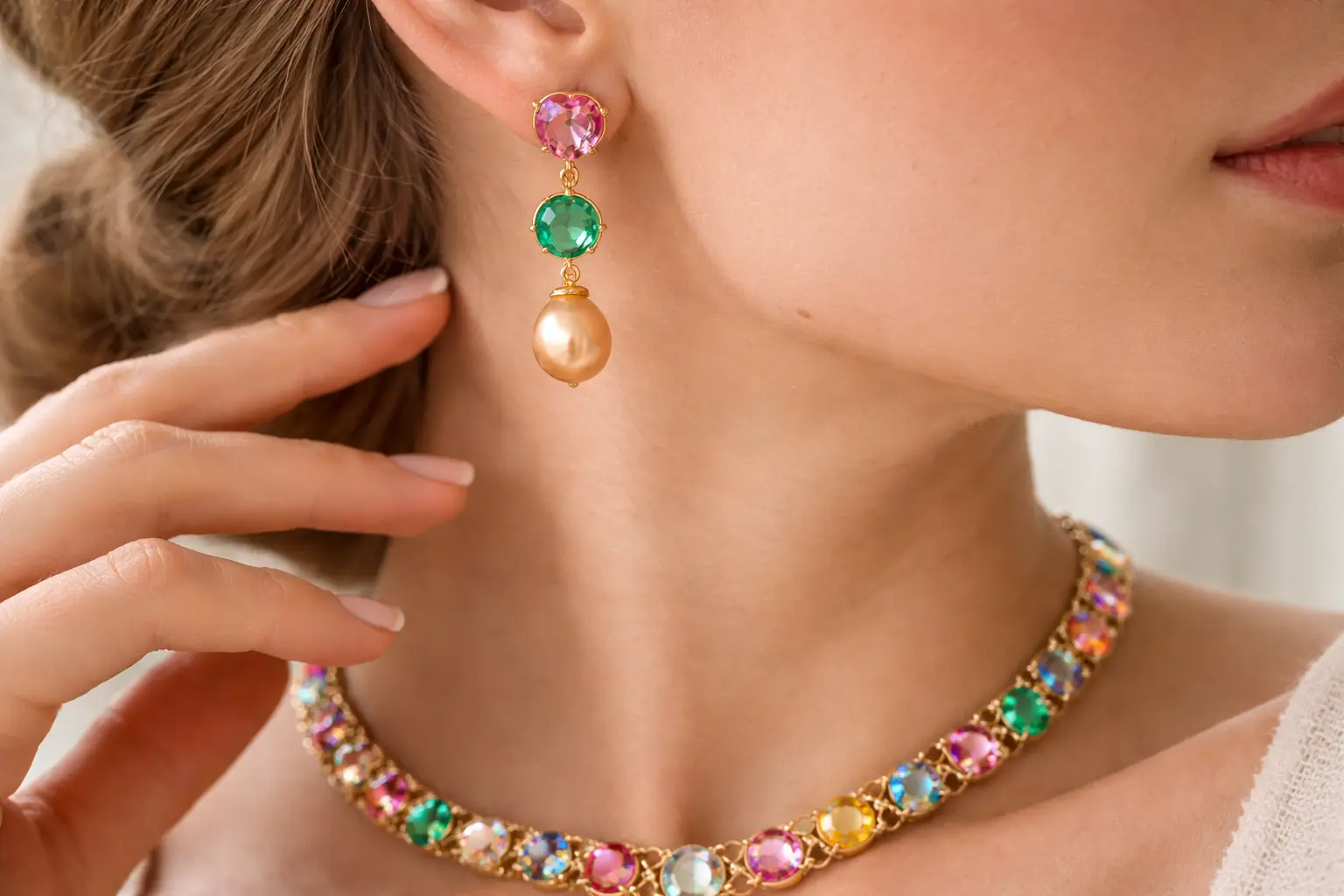
Many skin reactions come from nickel, cheap metal mixes, or coatings that break down under sweat and perfume. If your ears or neck itch, redden, or darken after wearing jewelry, the issue is often the base metal or a reactive finish.
Gold plated jewellery can still irritate if the base contains nickel and the plating is thin. Artificial jewellery has a wider risk range, so it is smart to prioritize nickel-free claims, smoother internal surfaces and sealed coatings.
How To Reduce Irritation Without Sacrificing Style?
Comfort improves when the jewelry stays dry and clean. Storage also matters because tarnish and micro corrosion can raise irritation risk over time.
- Keep perfume off jewelry. Apply fragrance first, then wear jewelry after it dries.
- Choose safer base metals. Stainless steel and surgical-grade styles tend to feel better for sensitive skin.
- Wipe after wear. A soft dry cloth removes sweat and slows oxidation.
- Avoid sleeping in jewelry. Friction at night wears plating and coatings faster.
These habits extend shine and reduce skin staining for both types. They also protect stones, beads and glued settings from loosening.
Color Fading, Tarnish And Staining
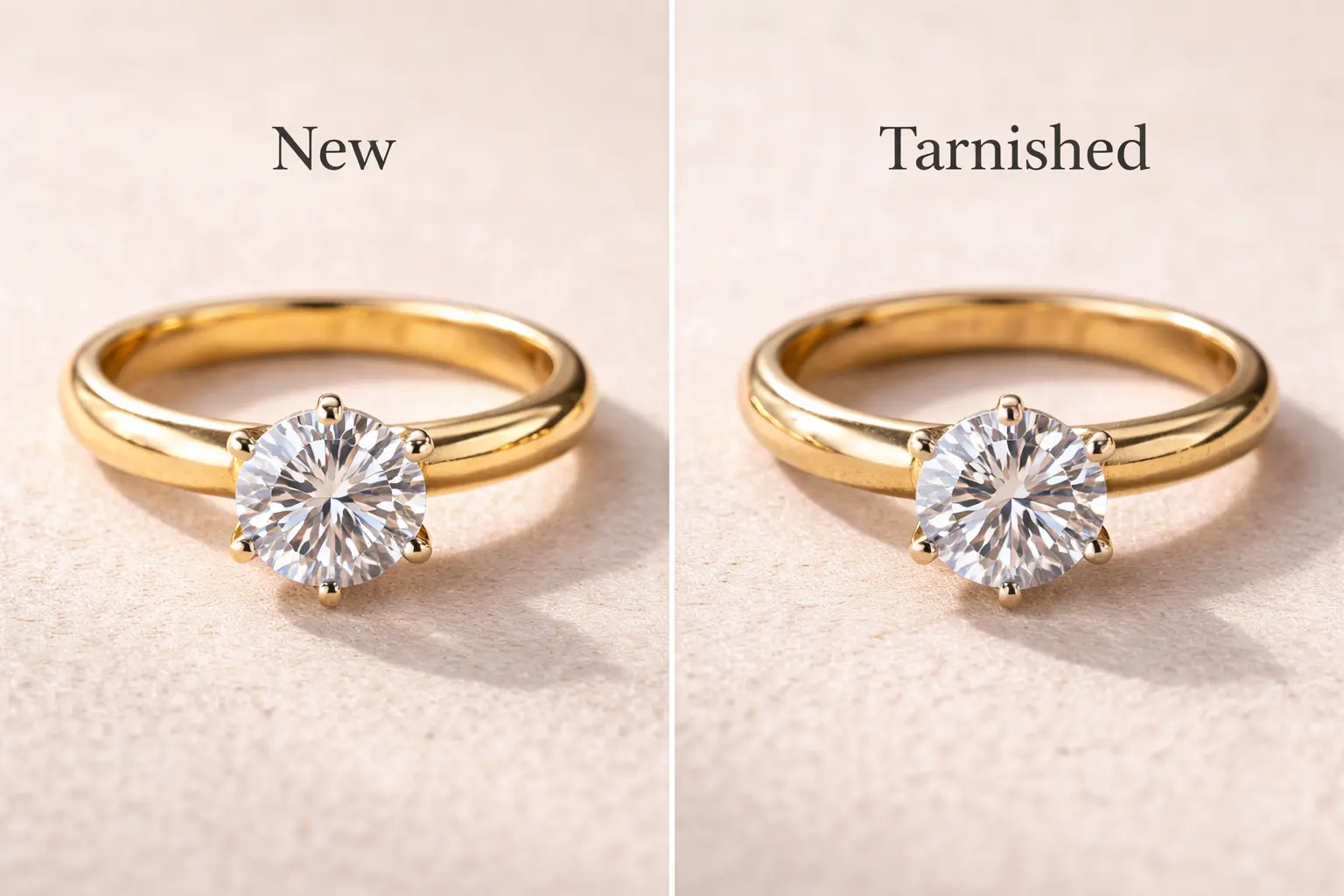
Gold plated jewellery typically fades where it rubs most, such as ring bottoms, bracelet edges and chain contact points. Once the gold layer thins, the base metal shows through and can shift to a dull tone.
Artificial jewellery may tarnish, turn greenish, or leave marks on skin depending on the alloy and coating. Pieces with sealed lacquer, rhodium-like finishes, or high-quality polish tend to resist discoloration longer.
Design Variety And Cultural Styling
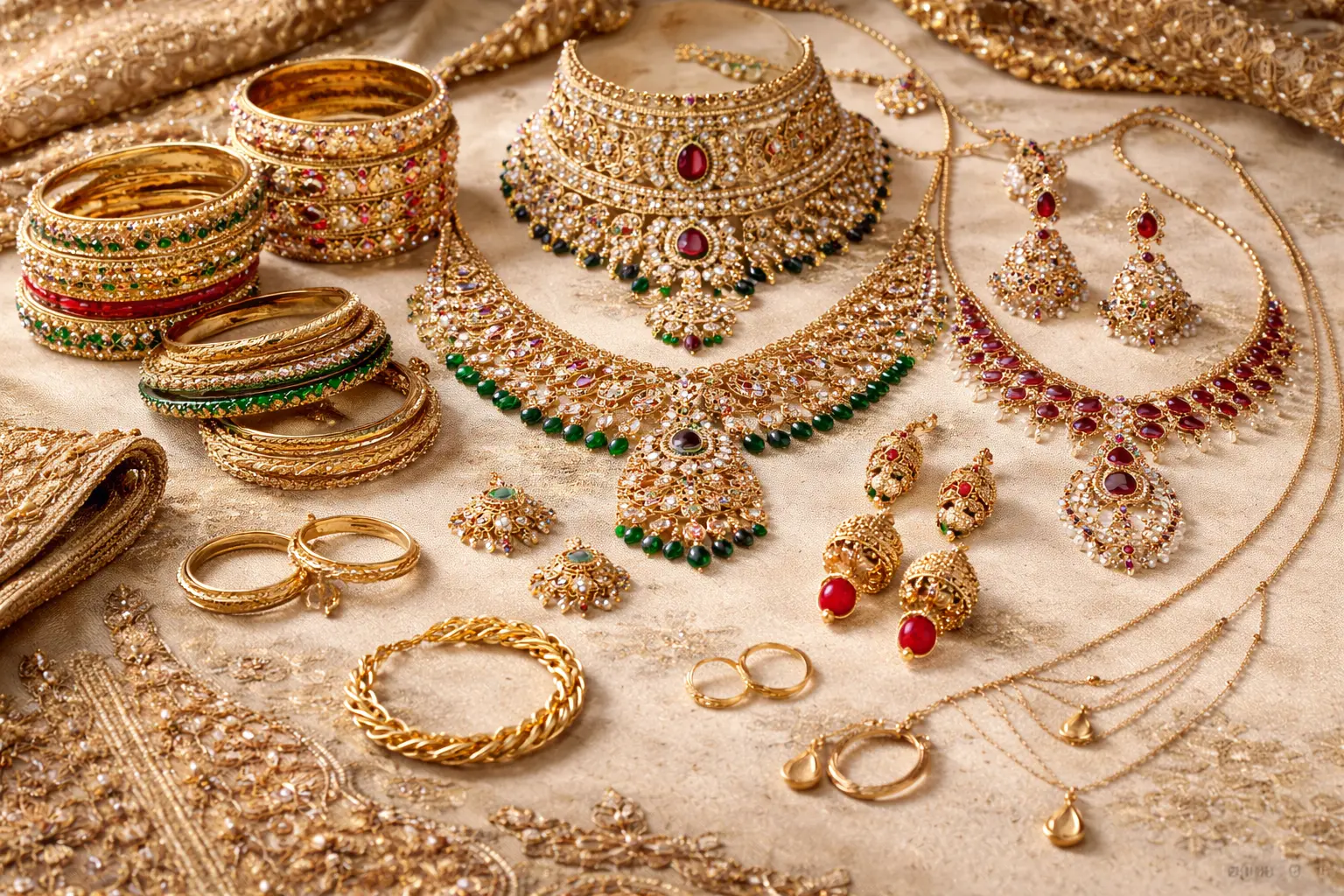
Artificial jewellery dominates variety across Pakistani styling, from minimal daily studs to heavy mehndi sets with bold stones. It also adapts quickly to trends in chandelier earrings, layered chains and color-rich bangles.
Gold plated jewellery tends to focus on a more classic look that mimics real gold, often with finer detailing. If you prefer subtle elegance for workwear, dinners and gifting, plated pieces can look more refined with fewer design compromises.
Occasion Matching In Pakistani Wardrobes
For everyday outfits, comfort and low maintenance usually matter more than statement volume. For events, coordination with embroidery, neckline and dupatta style becomes the deciding factor.
Gold plated jewellery often suits formal wear, office looks and simple festive outfits where a realistic gold tone elevates the overall appearance. Artificial jewellery fits best when you want dramatic color, heavier sets, or multiple matching options without overspending.
Care And Storage That Actually Works
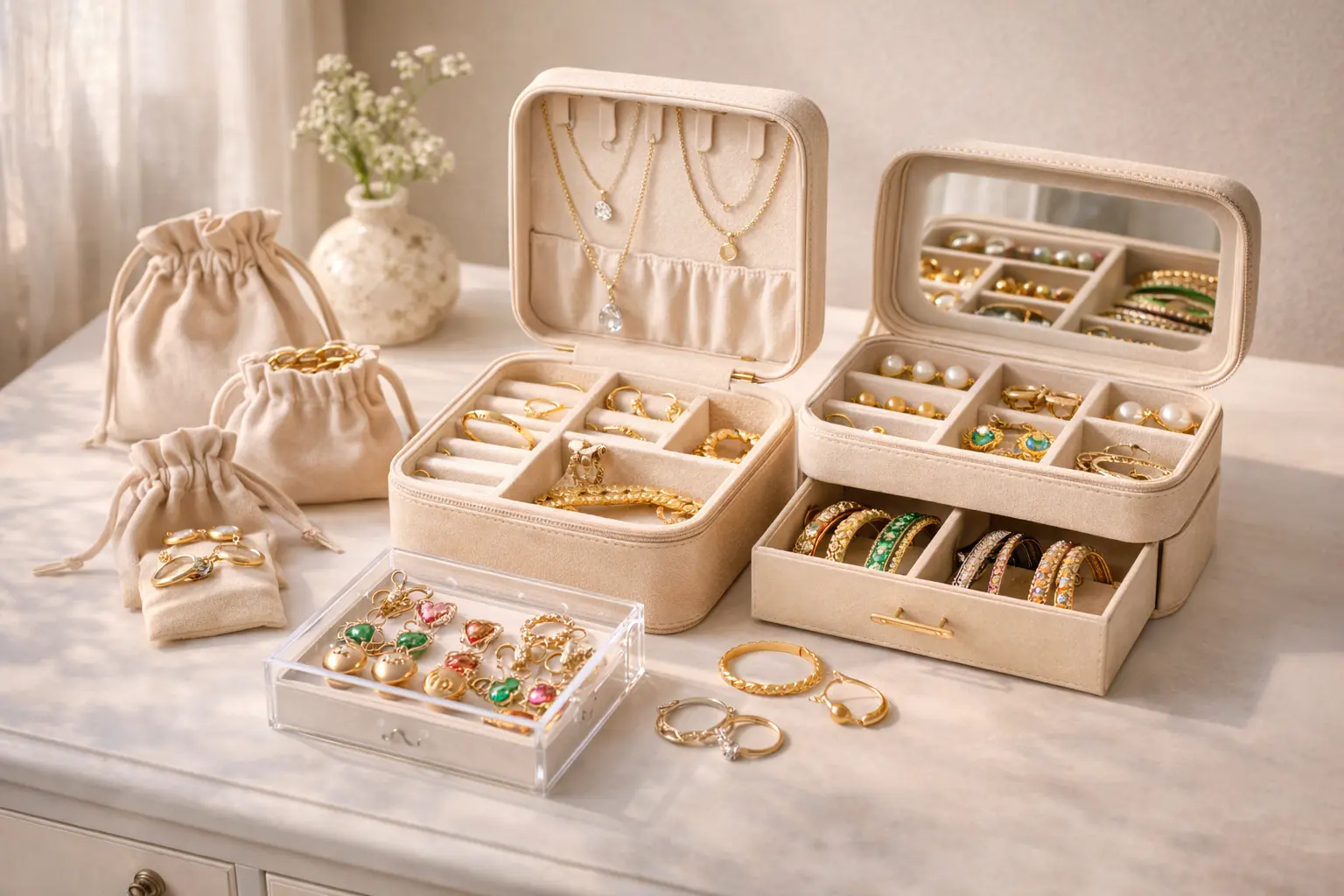
Most complaints about jewelry quality come from storage and exposure rather than manufacturing alone. Air, moisture and mixed-metal contact speed up tarnish and surface dullness.
Use separate pouches, keep pieces dry and avoid storing jewelry in bathrooms or near windows. If you buy sets, store each piece separately so stones do not scratch plated surfaces.
Simple Cleaning Rules For Both Types
Harsh cleaners can strip plating and damage coatings. Gentle habits preserve shine longer than aggressive polishing.
- Use a dry microfiber cloth. Wipe after each wear to remove oils and sweat.
- Skip water soaking. Moisture weakens glue and speeds oxidation in mixed metals.
- Avoid abrasive polishing. Rough rubbing can remove gold plating and scratch coatings.
- Store in airtight pouches. Reduced air exposure slows tarnish and dulling.
When pieces are kept dry and separated, both gold plated and artificial jewellery hold their appearance longer. That small routine often matters more than the price difference.
How To Spot Better Quality Before You Buy?
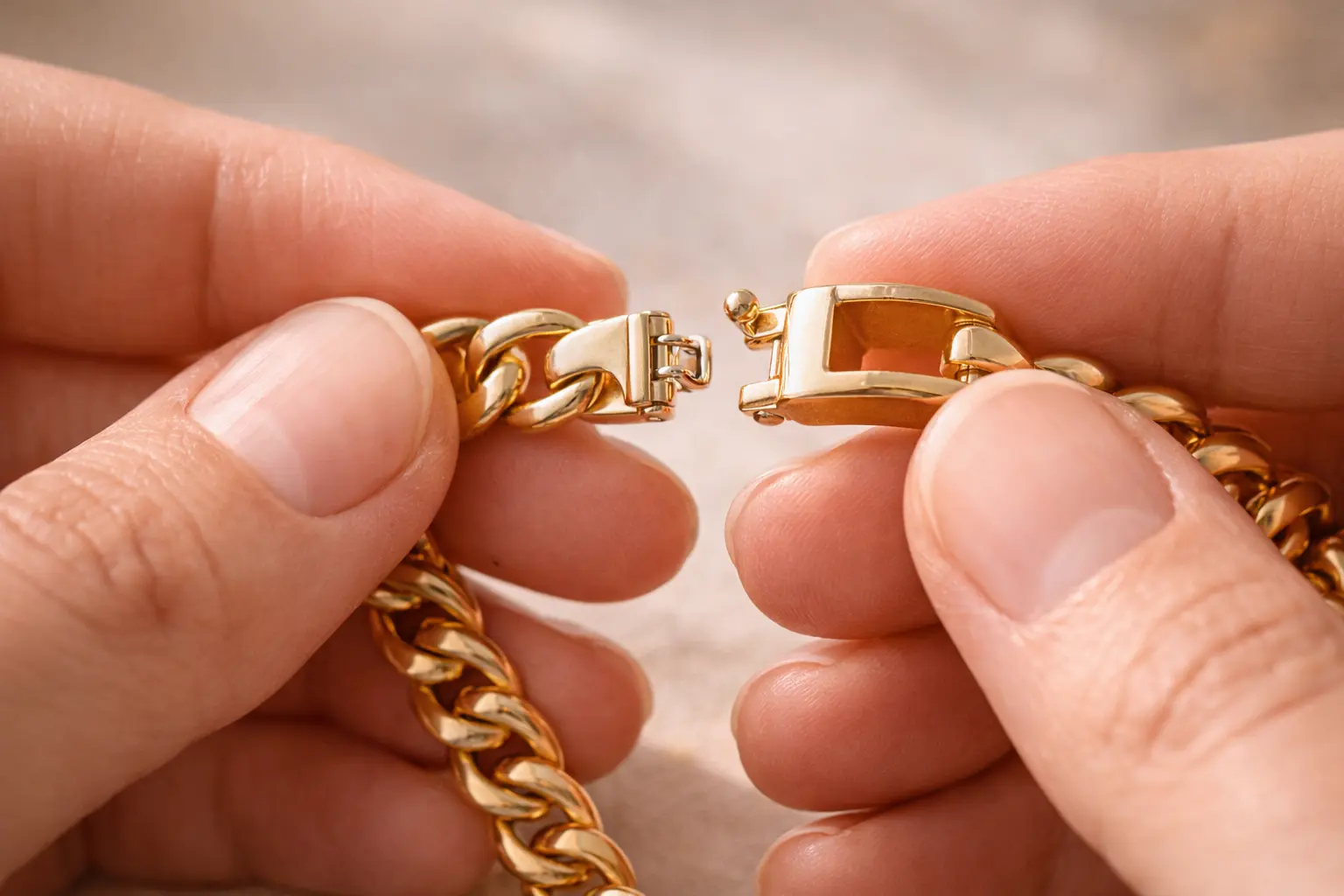
Quality checking is easier when you know where weak points show up first. Focus on closures, inner surfaces and finishing around stones and edges.
Good gold plated jewellery has a smooth, even tone without patchy areas or overly yellow shine. Better artificial jewellery feels balanced in hand, has firm clasps and shows consistent coating without rough spots.
- Check the clasp and joints. Loose hinges and weak hooks fail early.
- Inspect the inside edges. Rough metal can irritate skin and suggests poor finishing.
- Look for even color. Uneven shine can signal thin plating or rushed coating.
- Smell the metal lightly. A strong metallic odor can indicate reactive alloys.
These checks help you avoid pieces that look great under shop lighting but degrade fast at home. They also reduce the chance of skin staining and broken parts.
Which One Is Better In Pakistan?
Gold plated vs artificial jewellery is not a one-wins-all decision in Pakistan. Gold plated jewellery is better when you want a realistic gold look, a cleaner finish and a piece that photographs well with formal clothing.
Artificial jewellery is better when you prioritize variety, bold colors and low-cost experimentation with trends. It also makes sense for heavy sets that are worn briefly, where long-term durability matters less.
Conclusion
Gold plated jewellery is the stronger pick for a polished, gold-like appearance and a more premium feel, especially when plating and base metal quality are solid. Artificial jewellery is the smarter choice for trend-driven styling, color coordination and budget flexibility.
Choose based on how often you will wear the piece, how sensitive your skin is and how carefully you can store it. With the right care, both options can look impressive in Pakistan and deliver good value for the money spent.